Requests and projects, province by provinceClick a province, then a territory or a town.
Loading the map…
26 provinces. Click a province to see its requests and projects.
Nothing yet
Requests and projects
Request received
Request being handled
Request resolved
Project
Lake or river
Town
Budget transparency index 2016 (score out of 50)
0–10
10–20
20–30
30–40
40–50
Not evaluated
In 2016 only the city-province of Kinshasa was surveyed: the city and its communes (24 councils; Kinshasa’s boundaries did not change in 2015). The other 25 provinces have no 2016 score.
Source: Budget Transparency Portal of the Government of the DRC (transparencebudgetaire-cd.org), 2016 survey. See the index and its table → Communes of Kinshasa: RGC via geoBoundaries (ODbL 1.0).
Citizens take part, observe, document and speak up, while CERC provides the guidance and the credibility of the process.
1. Take part in the budget hearings
CERC identifies and trains the Local Development Committees in the budget process and in citizen monitoring of budget execution.
The Local Development Committees and citizens take part in the budget hearings to express the needs and priorities of their communities.
They follow how their proposals are taken into account in the trade-offs and in the budget finally adopted.
2. Follow the budget execution and visit the projects
With the GovCheck app, citizens follow the execution of the budget by comparing the revenue actually collected and the spending made by sector with the amounts initially voted.
They carry out site visits to check the progress of the projects, the quality of the works and their compliance with the commitments made.
They document their observations with geotagged photographs.
3. Check and publish the results
CERC checks and validates the quality of the information collected before it is published on the platform.
It thus ensures that the data available to the public are reliable and credible.
Each decentralised territorial entity (ETD) also has its own account to view the information on the execution of its budget and on the projects carried out in its territory.
4. Make the findings heard and lead the advocacy
CERC supports citizens in presenting their documented findings to the elected officials and public services concerned.
It facilitates the dialogue with the authorities, highlights the gaps between budget commitments and actual achievements, and makes concrete recommendations to improve the management of public resources and the quality of the services provided to the population.
5. Obtain corrections and check the changes
CERC ensures that the authorities of the ETDs give concrete answers to the problems identified: completion or resumption of works, better revenue collection, redirection of spending or correction of the failures observed.
It follows up the corrective measures and ensures they are checked in the field.
The results obtained feed the next budget cycle, in an ongoing dynamic of citizen participation, transparency and accountability.
The dialogue with the authorities, facilitated by CERC
The gaps between budget commitments and actual achievements
Concrete recommendations to improve the management of public resources and the quality of the services provided to the population
Reliable and credible data: CERC checks and validates the information collected before publication; each ETD has its own account
The execution of the budget: revenue actually collected and spending by sector, compared with the amounts initially voted
Site visits: progress of the projects, quality of the works and their compliance with the commitments made
Geotagged photographs document the observations
The results obtained feed the next budget cycle
The corrective measures — completion or resumption of works, better revenue collection, redirection of spending — checked in the field
The budget hearings: citizens express the needs and priorities of their communities and follow how they are taken into account in the budget finally adopted
 South Kivu ProvinceProvince · 1 requests
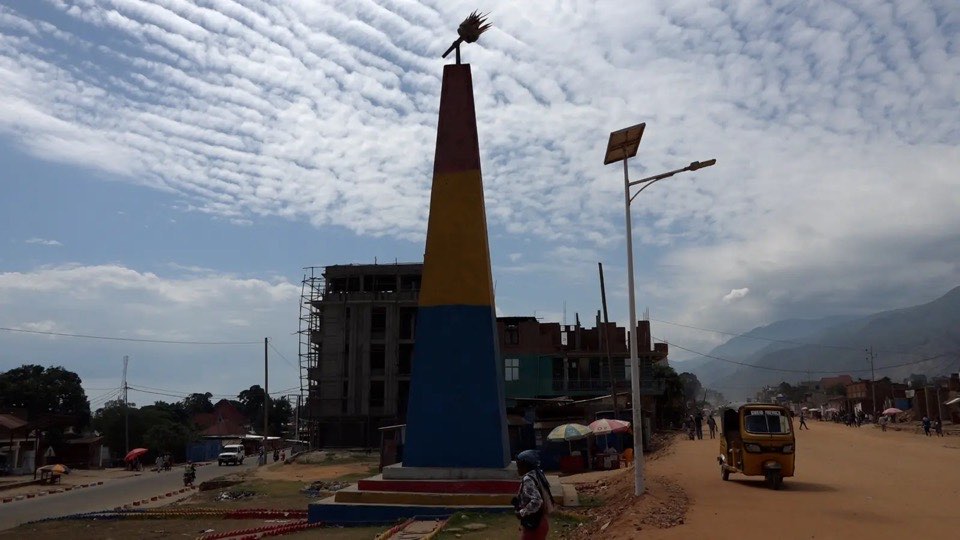 City of UviraCity · 10 requests
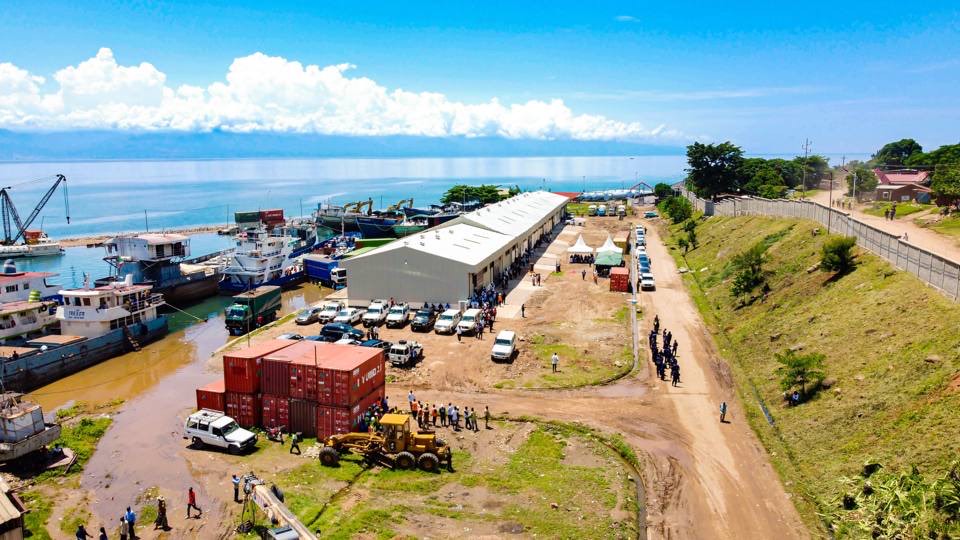 Kalundu MunicipalityMunicipality · 6 requests
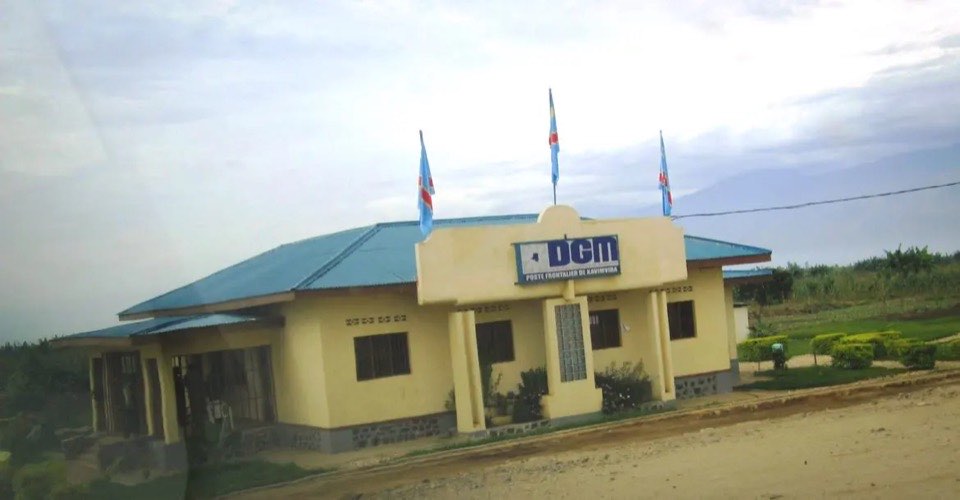 Kavimvira MunicipalityMunicipality · 10 requests
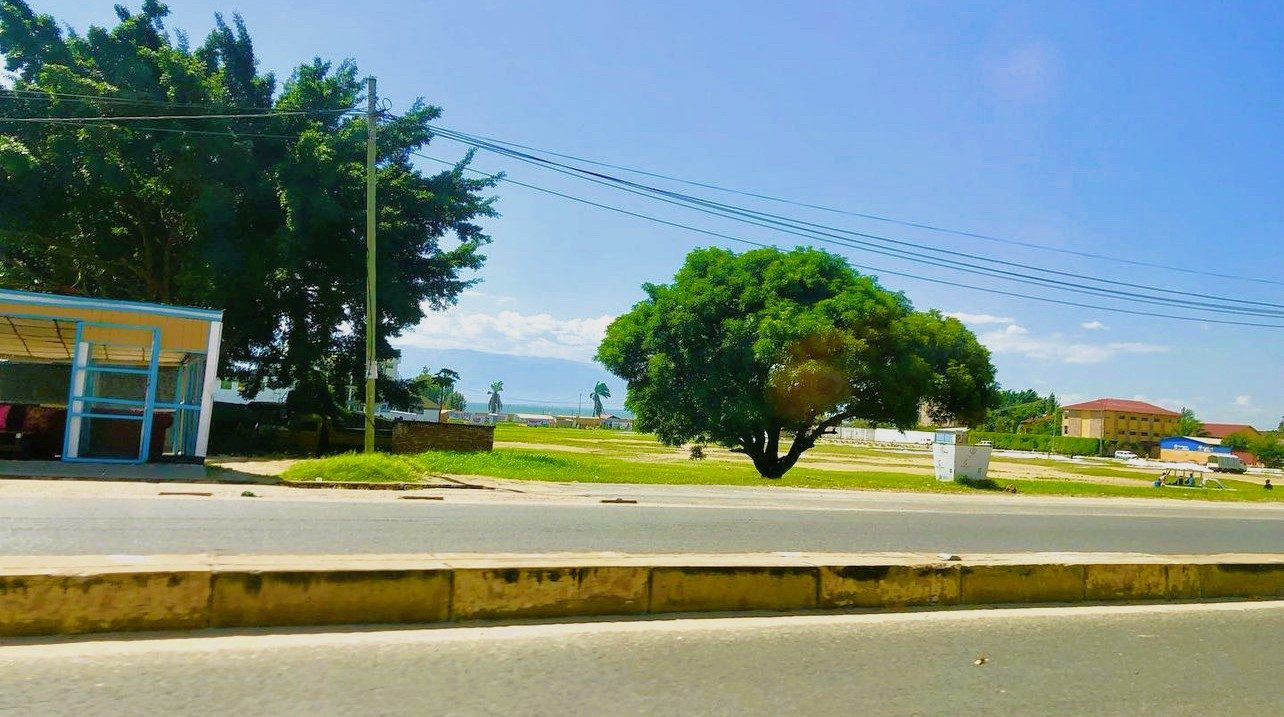 Mulongwe MunicipalityMunicipality · 1 requests
 City of BarakaCity · 1 requests
 Baraka-Centre MunicipalityMunicipality · 1 requests
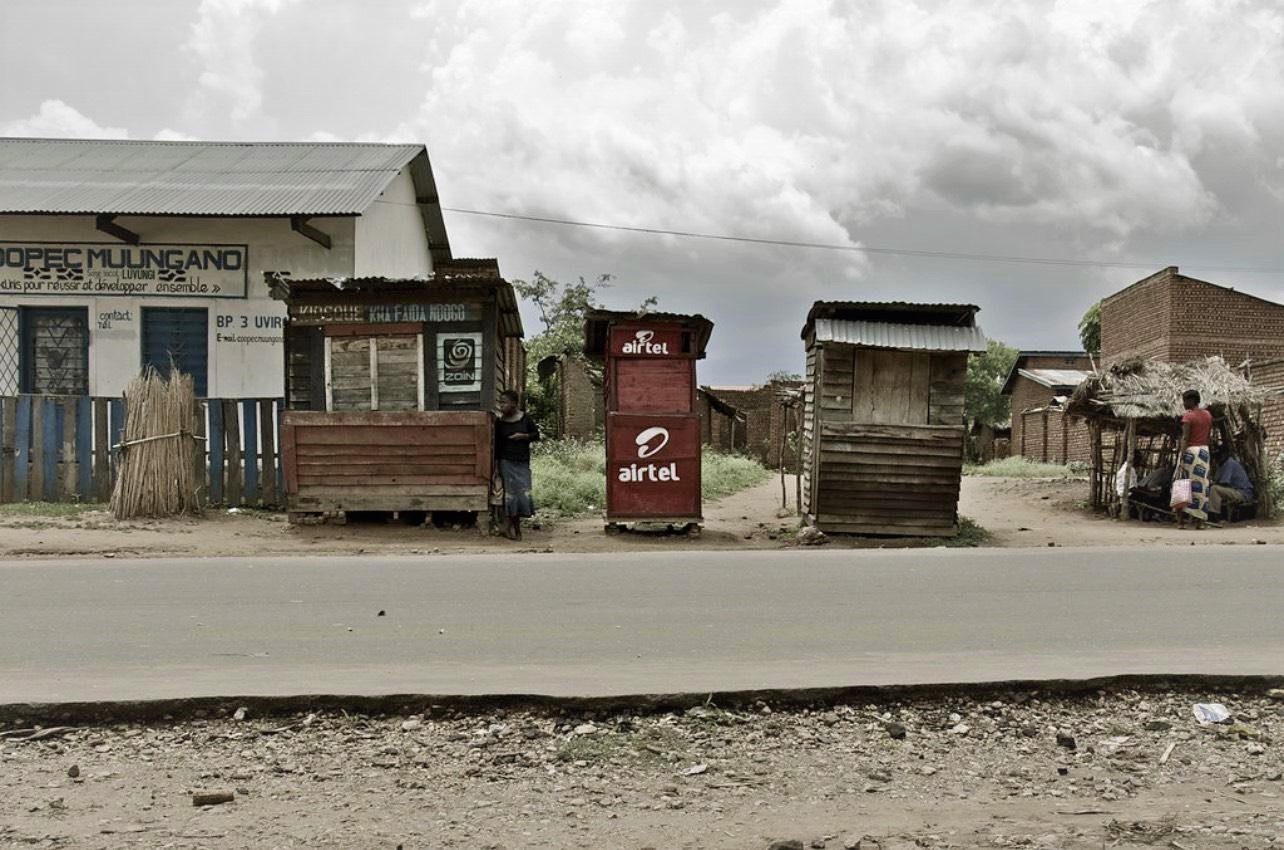 Commune rurale de LuvungiRural municipality · 0 requests